Environmental Variation
Temperature and humidity can vary with machinery, ventilation, outdoor weather, and production activity. Monitoring helps operators understand these conditions.

Industrial facilities may experience temperature and humidity variations across workshops, production areas, and equipment rooms. Suitable monitoring equipment helps operators observe environmental conditions and provides measurement data for facility management and compatible monitoring systems.
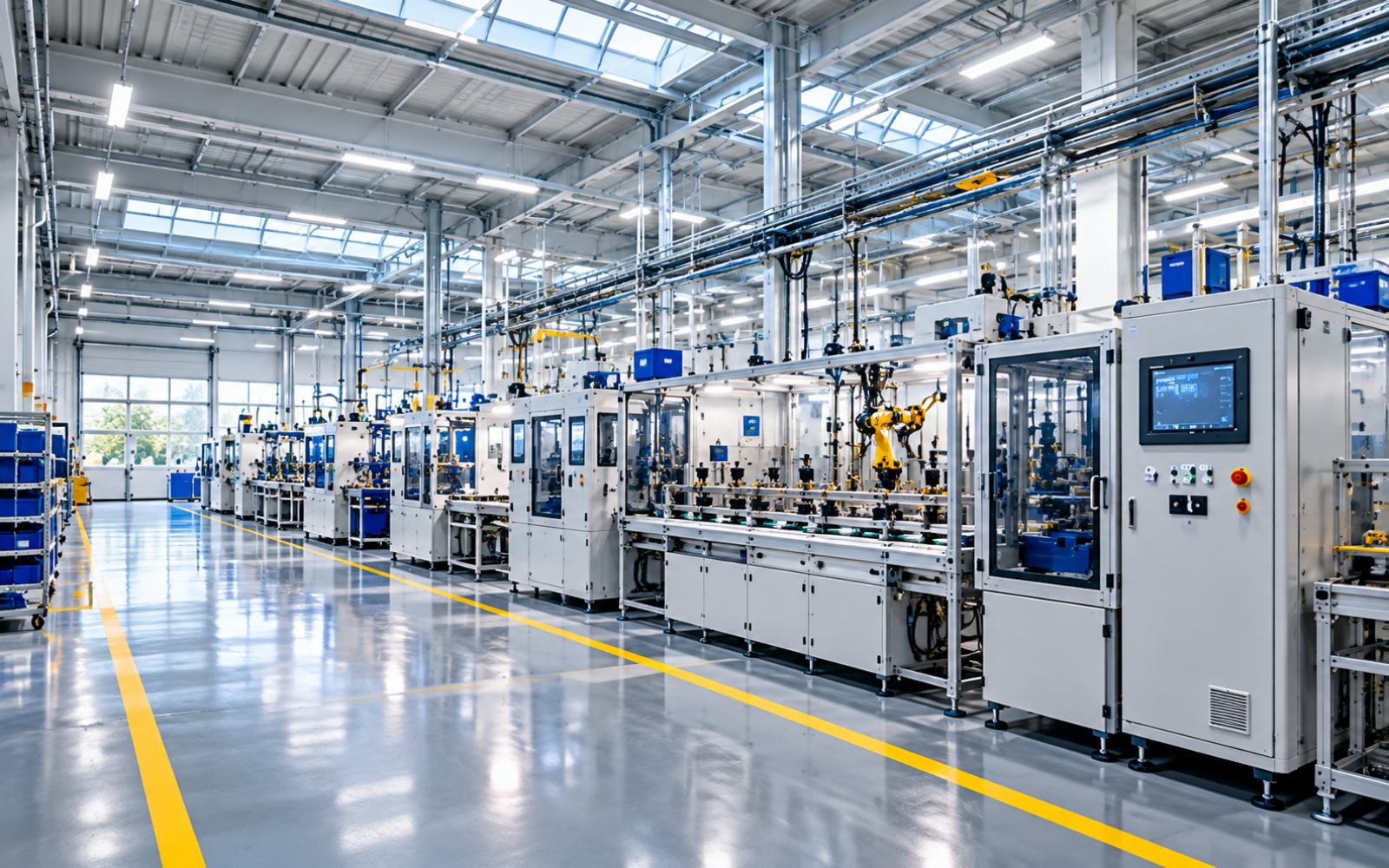
Industrial environments often require reliable measurement at different locations, clear on-site readings, and compatibility with existing monitoring infrastructure.
Temperature and humidity can vary with machinery, ventilation, outdoor weather, and production activity. Monitoring helps operators understand these conditions.
Large workshops and facilities may require measurement at several locations. Selecting suitable positions helps obtain readings relevant to each monitored area.
Some projects require measurements to be transmitted to external controllers or monitoring systems. Signal compatibility, power supply, and wiring must be considered.
Choose between local digital displays and sensors with compatible output signals, depending on how measurement data will be used.
Wall-mounted temperature and humidity meters allow personnel to check environmental readings directly in workshops, production areas, and other designated locations.
Industrial sensors can provide measurement signals for compatible controllers, data acquisition equipment, or environmental monitoring systems.
Select equipment based on the measurement environment, required data output, and installation conditions.
Confirm that the selected device supports the temperature and humidity range expected in the installation environment.
Determine whether the project requires a compatible analog output or a digital communication interface, such as RS485 where supported by the selected model.
Verify the model's supply voltage and connection requirements before installation. Different products may use different power configurations.
Consider mounting position, ventilation, exposure to moisture, dust, heat sources, and any required enclosure protection.
Confirm that the receiving equipment supports the selected sensor's signal type, communication settings, and electrical requirements.
Orivelor offers wall-mounted digital meters and industrial sensors for different temperature and humidity measurement needs.
Explore digital meters designed for local temperature and humidity display. Compare measurement functions, display options, power requirements, and installation conditions.
Explore Digital Meters →Explore industrial sensors with different output options for compatible monitoring and control systems. Review electrical specifications and application suitability.
Explore Industrial Sensors →Common questions when planning factory temperature and humidity monitoring.
Monitoring helps facility operators understand environmental conditions in workshops, production areas, and equipment rooms. Specific monitoring requirements depend on the processes and equipment involved.
A digital meter is useful when readings need to be viewed locally. An industrial sensor is useful when measurement signals must be provided to compatible monitoring or control equipment. Some projects require both.
Connection depends on the selected sensor's output type and the PLC's available input interfaces. Confirm electrical specifications and communication compatibility before integration.
The number depends on facility size, environmental differences, monitoring objectives, and equipment layout. Large facilities may require multiple measurement points.
Share your application, measurement range, required signal output, power supply, and estimated quantity. Contact Orivelor to discuss suitable monitoring equipment.