Daily Temperature Changes
Solar exposure and outdoor weather can cause greenhouse temperatures to change during the day and night. Regular measurements help operators understand these variations.

Greenhouse environments can experience significant changes in temperature and humidity throughout the day. Selecting suitable monitoring equipment helps growers observe environmental conditions and make informed decisions about ventilation, heating, and humidity management.
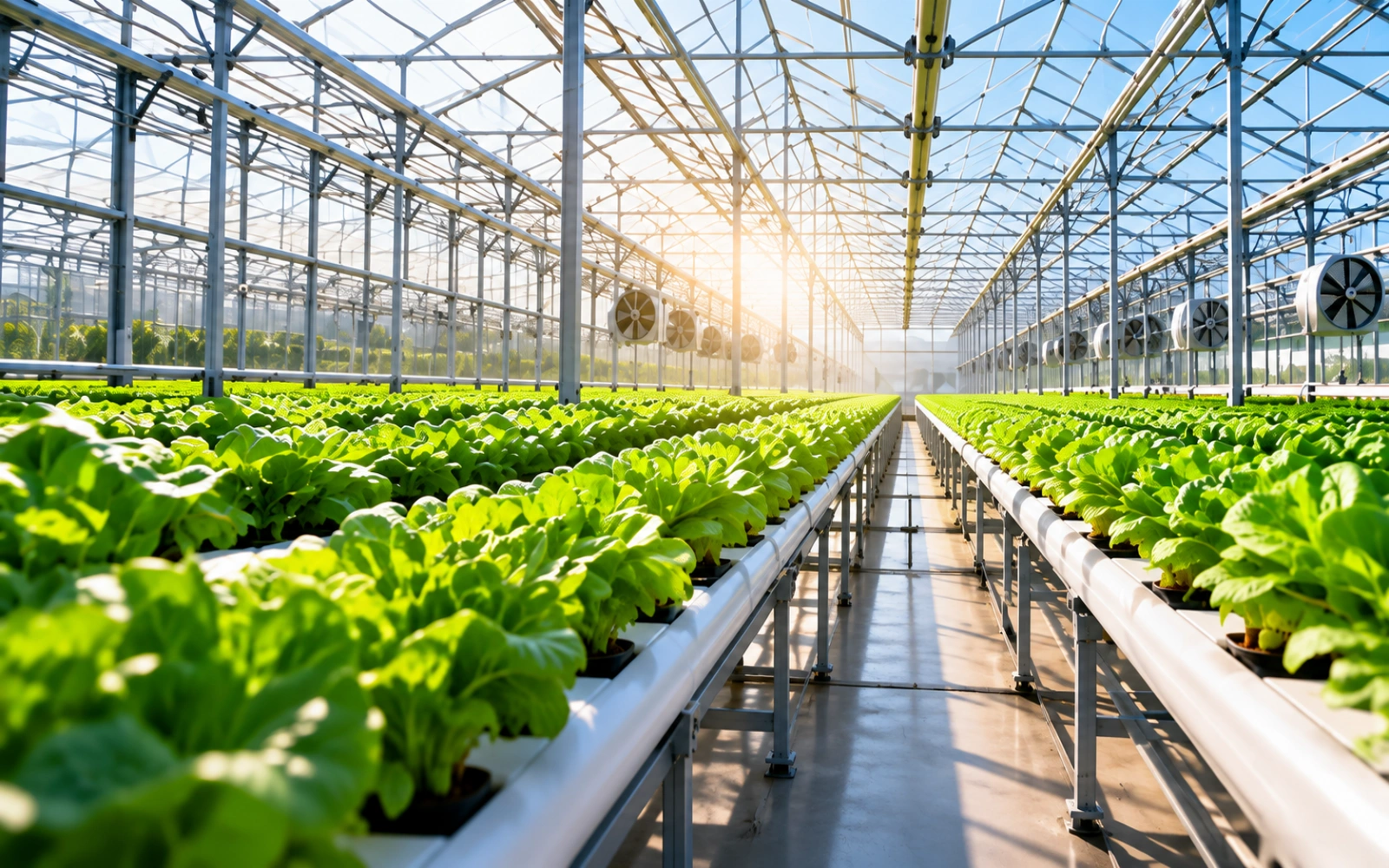
Greenhouse conditions vary with weather, sunlight, irrigation, ventilation, and the location of measurement equipment.
Solar exposure and outdoor weather can cause greenhouse temperatures to change during the day and night. Regular measurements help operators understand these variations.
Irrigation, plant transpiration, and airflow can affect relative humidity. Monitoring humidity provides useful information for managing the growing environment.
Conditions near vents, doors, heating equipment, and different growing zones may vary. Sensor placement should reflect the areas that need monitoring.
The monitoring approach depends on whether readings are needed directly on site or transmitted to a compatible monitoring system.
Digital temperature and humidity meters provide readings that can be checked directly by staff working in the greenhouse.
Sensors with compatible signal outputs can provide measurement data to external monitoring or control equipment.
Before selecting a greenhouse temperature and humidity monitoring device, consider the following requirements.
Determine whether the project requires temperature measurement only or combined temperature and relative humidity monitoring.
Choose a digital meter for on-site viewing or a compatible industrial sensor when measurements must be transmitted to another system.
Avoid positions where direct sunlight, water spray, heaters, or concentrated airflow could distort representative air measurements.
Check operating temperature, humidity limits, power supply, and any required enclosure protection before installation.
Orivelor offers wall-mounted digital meters and industrial sensors for different temperature and humidity measurement requirements.
Explore display-based instruments for monitoring temperature and relative humidity at designated locations. Check model specifications to confirm suitability for your greenhouse conditions.
Explore Digital Meters →Explore sensors with different output options for connection to compatible monitoring systems. Confirm signal, supply voltage, and environmental requirements.
Explore Industrial Sensors →Practical questions to consider when planning temperature and humidity monitoring.
Temperature and humidity are important environmental measurements for greenhouse management. Monitoring their changes helps operators understand growing conditions and make informed environmental management decisions.
Select positions that represent the air conditions you want to measure. Avoid direct sunlight, water spray, heating equipment, and unusually strong airflow unless those locations are specifically being monitored.
Choose a digital meter when local readings are the main requirement. Choose an industrial sensor when the project requires measurement signals to be sent to a compatible monitoring or control system. Some projects may use both.
Integration depends on the sensor model, its signal output, supply voltage, and compatibility with the receiving equipment. Review these requirements before selecting a model.
Share your greenhouse environment, measurement requirements, preferred output signal, and estimated quantity. Contact Orivelor to discuss suitable monitoring equipment.