High Relative Humidity
Evaporation from pool water can increase indoor humidity. Regular measurements help operators observe changes in relative humidity throughout the facility.

Indoor swimming pool facilities often experience elevated humidity due to water evaporation and changing indoor air conditions. Monitoring air temperature and relative humidity helps facility operators understand the indoor environment and plan appropriate humidity management.
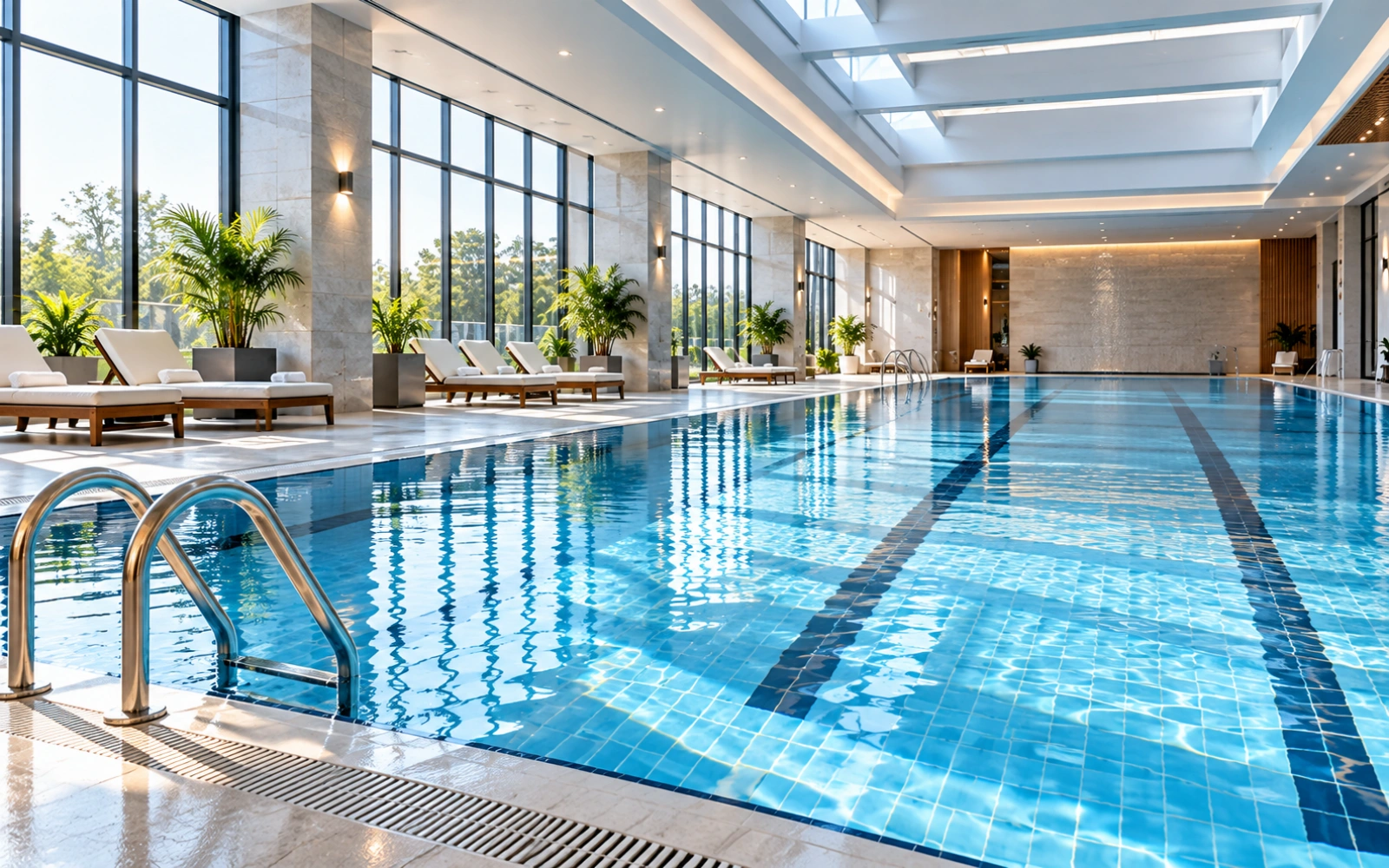
Indoor pool environments can present measurement challenges related to humidity, condensation, and equipment exposure.
Evaporation from pool water can increase indoor humidity. Regular measurements help operators observe changes in relative humidity throughout the facility.
Moist indoor air may condense on cooler windows, walls, and other surfaces. Temperature and humidity measurements provide useful data for assessing indoor conditions.
Pool facilities may expose equipment to high humidity, splashes, and chemical-containing air. Device protection and installation location require careful review.
Choose suitable equipment based on whether measurements are viewed locally or supplied to a compatible building monitoring system.
Digital temperature and humidity meters provide local readings for facility personnel. Installation conditions must be checked before placing a device in a humid pool area.
Compatible industrial sensors can provide measurement signals to external monitoring equipment or building management systems, depending on the selected model.
Selecting measurement equipment for an indoor pool requires attention to both monitoring requirements and environmental exposure.
Confirm that the device supports the expected relative humidity conditions and review its non-condensing operating limits where applicable.
Avoid locations where water condensation or direct splashes may affect measurement accuracy or exceed the device's protection specifications.
Review enclosure protection, material compatibility, and resistance to the intended environment. Do not assume standard indoor devices are suitable for poolside installation.
Select locations that represent the air conditions to be monitored. Avoid direct water spray, localized heat sources, and unsuitable airflow positions.
If measurement data is needed by a building monitoring system, confirm output signal, power supply, and interface compatibility.
Orivelor provides digital meters and industrial sensors for different measurement requirements. Product suitability for indoor pool facilities must be verified before installation.
Explore instruments for local air temperature and relative humidity readings. Compare measuring ranges, installation conditions, and environmental limitations before selecting a model.
Explore Digital Meters →Explore sensors with different output options for compatible monitoring systems. Confirm electrical requirements and environmental suitability for the intended location.
Explore Industrial Sensors →Common questions about indoor pool humidity measurement and equipment selection.
Water evaporation can increase indoor relative humidity. Monitoring helps facility operators understand humidity variations and provides data that may support ventilation and dehumidification planning.
Select a position representative of the indoor air conditions being monitored. Avoid direct water splashes, condensation exposure, and unsuitable localized airflow. Follow the sensor manufacturer's installation guidance.
Not necessarily. Pool facilities can expose equipment to high humidity, moisture, and chemical-containing air. Verify the device's environmental ratings and material suitability before installation.
Integration depends on the selected sensor's output interface and compatibility with the receiving system. Confirm signal type, supply voltage, and connection requirements.
Share your installation location, expected humidity conditions, measurement requirements, preferred output signal, and estimated quantity. Contact Orivelor to discuss suitable monitoring equipment.